Rock Climbing
With the introduction of indoor climbing walls, rock climbing has become more popular, as a result of which, has increased the number of injuries sustained by this extreme sport.
Physically, it is very demanding, especially on the muscles of the wrists and forearm which are often under tension throughout a climb, and also the muscle of the back, arms and shoulders.
Stretching will not only help prevent muscular injuries but also enable you to perform difficult manoeuvres that require a high degree of flexibility and good proprioception (body awareness).
Modern equipment and suitable training supervision at indoor climbing centres has helped reduce serious injuries, however overuse injuries prevent climbers at all levels enjoy their chosen sport to the full.
The joints and muscles in the forearms, wrist and fingers suffer the most injuries, and as such time should be spent on developing these areas physically and remedially.
The warm-up should consist of four phases, firstly the mobility exercises, performing the movements for the fingers - wrists - and shoulders twice. After this your aerobic warm-up needs to be undertaken to heat up your muscles, this can be walking to the start of the climb if outdoors, or a minimum of 10 minutes aerobic work such as skipping if indoors. The stretching phase should enable you to take all your limbs to their full range of movement, and as such it is worthwhile looking through this book at the different stretches for each muscle group, or beginners using the warm-up stretches.
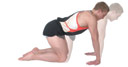
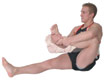

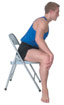

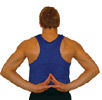
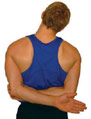


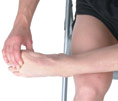
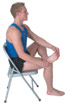
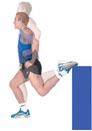

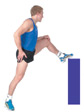
As we all have a different level of flexibility these stretches may not be sufficient for experienced climbers, the key is to stretch and also climb within your limits and progress safely and positively.
The final phase of the warm-up should include simple climbs to stimulate the muscles that you're going to use, and as such help return the blood back to the heart from the forearms. If you find that on these easy climbs that your forearms feel pumped (full of blood) and ache, then aim to spend more time warming up aerobically followed by more stretching.
The cool down should again begin with aerobic work to help circulate the blood followed by the cool-down and sports specific stretches, paying particular attention to the wrist - fingers - and forearm.