Athletics
The many different disciplines associated with athletics all have the same causes for injury.
Poor technique - whatever level you compete at, improvements can always be made in your technique. Being a member of a club, or have a qualified experienced coach give you advice, is invaluable, in preventing injuries and increasing your performance.
The many different disciplines associated with athletics all have the same causes for injury.
Poor technique - whatever level you compete at, improvements can always be made in your technique. Being a member of a club, or have a qualified experienced coach give you advice, is invaluable, in preventing injuries and increasing your performance.
Over-training / exertion - during the summer racing months, competitors may be training 3-4 times a week, plus competing at least once a week. Vary your training sessions to avoid training sore muscles. Always understand your current limitations / fitness level, pushing your body beyond what it can do, can have serious negative effects, increase your performance gradually and positively.
Inappropriate clothing - wear the correct clothing for your specific event, with the multitude of events, comes a vast array of footwear and protective clothing, all designed to increase performance and injury prevention.
Weather and track conditions - performing surfaces when wet become slippery, keep yourself, performing surface and equipment dry.
During cold conditions, your muscles will take longer to warm-up, and are more susceptible to injury, spend sufficient time to warm-up correctly, and once warm stay warm with appropriate clothing and continual stretching/exercise, especially during throwing / jumping events.
Warm humid conditions cause greater fluid loss, remain hydrated throughout with suitable sports drink / water. Tartan rubber surfaces provide good cushioning compared to tarmac and cinder surfaces. All surfaces can have worn, damaged or slippery areas, often near long jump sandpits, or in shaded areas where mould or surface water can remain on the track.
Aim to practice your runs in the second or third lanes, to protect the track surface.
All track and field events require a thorough warm-up and stretching routine suited to the muscle groups used and exertion placed upon the body.
Long and Triple Jump:
The knees and ankles undergo excessive strain during the take off phase, especially in triple jump, and as such the muscles around these joints need to be both strong and flexible. Aim to keep the sandpit, well raked and full of soft dry sand to cushion the landing impact.
Warm-up by light jogging or skipping for 10 minutes prior to carrying out the warm-up stretches, then a further 10 minutes performing all the dynamic movements. Perform the following stretches prior to going on the long jump runway to measure out your run-up.

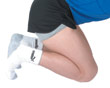
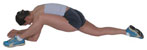


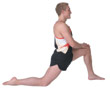
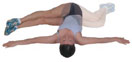
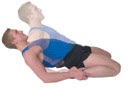

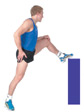

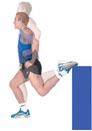
Stay warm with suitable clothing, continue the dynamic movements and also leg mobility exercises between your jumps.
Cool down by a light jog for 5 minutes to revitalise the muscles and increase blood flow, prior to performing the cool down stretches.
High jump and Pole-Vault:
Requiring high levels of flexibility and technically very demanding both of these events should be coached and supervised. Implementing regular stretching and mobility exercises can reduce injuries from muscular strain, especially in the lower back.
Begin your warm-up with the mobility exercises, prior to light jogging to circulate blood flow, minimum 10 minutes, followed by the warm-up stretches.
Perform all of the dynamic movements. High jumpers should aim to carry out vertical knee lifts, gradually increasing height from their jumping leg, whilst vaulters should be making suitable adjustments to both run-ups and pole suitability by practising at a reduced intensity on the pole vault run way.
Its important to stay focused throughout, think about your technique, drink a suitable sports drink, stay warm between your performances and continue to stretch and stay mobile.
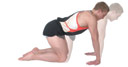



All landing cushions should be firm and of sufficient size to protect landings from various methods of take-off. Inform Marshals if you have a tendency to land close to the edge of the cushions, so they can be moved to your appropriate landing point.
Cool down by a light jog for 5 minutes to revitalise the muscles and increase blood flow, prior to performing the cool down stretches.
Running 800 meters up:
Injuries to middle distance runners are reducing due to improvements in footwear, with lower leg injuries common place from over-training (shin splints). The stresses placed on the body are different as the race distance increases, with aerobic and anaerobic fitness levels being important, especially in the later stages of a race.
Sufficient time should be spent preparing for your run, to enable you to race at an optimum level. Light jogging for at least 15-20 minutes should be carried out after the mobility exercises, followed by the warm-up stretches.
Keep your muscles warm by continually light jogging, performing the dynamic movements, wearing suitable clothing, staying hydrated with a sports drink, especially for longer runs.
Cool down with light jogging for 10 minutes, followed by the cool down stretches any areas that feel tight, use different stretches within the stretches section to elevate the tension.
Sprinting and Hurdles:
Due to the explosive nature, muscular strains are common place in sprinting and hurdling events, which is why it is essential to spend sufficient time warming all the muscle groups. Keep them both passive and actively warm throughout, what can be a long day, especially if competiting in numerous sprint heats, finals and relays.
Begin your warm-up with light jogging, wearing warm clothing to help increase body temperature for at least 10 minutes. Perform all the mobility exercises, and the warm-up stretches prior to the dynamic movements.
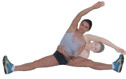
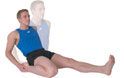
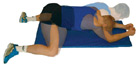
Perform these sprint / hurdle specific stretches both before and after you run.

Once fully warm, practice your running technique aiming to focus on your movements (knee lift / stride length) rather than speed, then practice your starts at a reduced intensity, gradually increasing your power efforts, in order to be fully race prepared both physically and mentally at least 5 minutes prior to your race.
Begin your cool down immediately after your race, wearing suitable clothing to keep the muscles warm and supple, carry out the cool down stretches repeat the complete sequence all again if you are racing again.
Throwing:
Explosive power in the arm and shoulder muscles, combined with rapid twisting from the hips and forceful breaking in your front leg, places tremendous strains on the muscles and joints, especially in the throwing arm, opposite obliques and lower back. Suitable supports are now specially designed for throwing events, however make sure that these fit well and are used in training sessions prior to competition, as they can be restrictive.
Your warm-up needs to work all muscle groups, particularly the throwing shoulder. Skipping, indoor rowing machine, or light jogging with imitation arm swimming movements for a minimum of 10 minutes should all be performed after the mobility exercises.
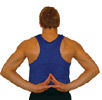
Use the warm-up stretches, then continue with the dynamic movements, concentrating on areas that you use during your specific throwing event. Perform the following throwing stretches prior to simulating your throws at a reduced intensity.





Stay warm and mobile throughout, continuing to stretch and take in both fluid and light sports snacks in order to keep blood sugar levels high, and muscles supple and relaxed.
Cool down with 5 minutes light rowing, skipping or jogging with swimming movements, prior to performing the cool down stretches.
All athletes will benefit from implementing an extra stretching session into their weekly routines, especially during the competition period, at both the beginning and end of the season.